Australian researchers and healthcare professionals are not averse to being pioneers. Our healthcare sector has a rich history of conducting groundbreaking research alongside extensive clinical trials, the results of which have played a monumental role in developing dozens of vaccines over the 20th century and beyond.
But Australia’s robust vaccine history isn’t the only area where our healthcare sector has excelled in providing research that’s generated great benefits for patients across the globe. Just taking a look over the top trends and developments that Australia’s healthcare industry is investing in today tells a compelling story of how our national and state healthcare systems may set a precedent for healthcare sectors all over the world.
We’ll be highlighting some of the most novel trends and developments we’re observing in our healthcare sector today, as well as exploring how these developments may come to impact the future of healthcare for both our generation and generations to come.
Medicinal marijuana for chronic pain management
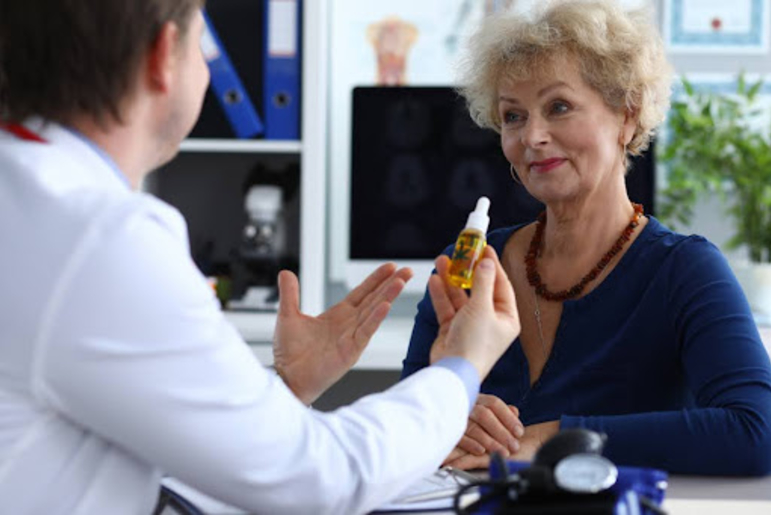
One of the most topical and perhaps most heavily contested research areas in healthcare today is the efficacy of medicinal marijuana. Australia’s robust agricultural sector makes our healthcare system arguably the most well-equipped in the world for trialling the diversity of use cases for medical weed, with dozens of farms and hydroponic production facilities cultivating a variety of cannabis seeds for the production of medical-grade weed.
We’ve had two major insights thus far following the legalisation of medicinal-grade marijuana, these being that the demand is high and that the treatment is actually surprisingly effective for patients suffering with chronic pain. It’s estimated that around 700,000 Australians had used cannabis or THC oil for medical purposes from 2022-2023, according to the National Drug Strategy Household Survey for that year. That number is only expected to grow, as medicinal-grade marijuana becomes a more widely adopted treatment.
Does this mean that weed could be legalised in Australia in the near future? Well, as more cannabis facilities are being developed across Australia (including right here in Mildura), local medicinal marijuana production may ensure that the treatment becomes more affordable for a growing population of patients. As Canberra has also legalised at-home weed production (with limitations), there’s every chance you may be able to grow indica dominant strains in your own backyard and to manage your own pain relief.

Telehealth appointments and other remote services
One of Australia’s most unique challenges when it comes to providing healthcare for all citizens is ensuring adequate healthcare infrastructure for rural populations. Whilst services like the Flying Doctors and the Rural Health Outreach Fund have been able to fill in the gaps for the millions of Australian residents who live regionally, there is still a growing need for local clinics and facilities in regional communities.
Thankfully, the COVID-19 pandemic brought with it the development of and continuous investment in telehealth services. These innovative telecommunications-based healthcare services allow patients to consult their GP and other trusted healthcare practitioners without having to physically travel to their nearest clinic or hospital. Alongside providing greater convenience for patients, telehealth appointments and other remote services help keep waiting rooms from reaching capacity all over Australia, which in turn helps to reduce the risk of patients catching influenza and other viral illnesses while they’re at the doctor’s office for a completely different reason.

IoT medical technologies for improving patient experience
Patient experience and ensuring quality of life with chronic illnesses is a growing concern for Australian healthcare workers today. Thankfully, with the rise of IoT (or ‘internet of things’) technologies and their ability to be integrated with digital monitoring and analytics platforms, doctors, nurses, and patients can now actually monitor patient symptoms and vitals in real time both within and outside of clinic and hospital facilities.
With wearable medical tech that’s powered by IoT technologies, Australians living with conditions like Type 1 or Type 2 Diabetes, epilepsy, or even chronic conditions like respiratory issues, can monitor their life signs independently and even receive notifications or alerts if their blood glucose levels are low, if their blood pressure is high, if their heart rate is abnormally elevated, or any other number of vitals that can feasibly monitored do present any abnormal change.
In short, these technologies can automate the process of detecting and responding to potential medical emergencies, thus improving the survival rate in the event that a medical emergency does occur. In the future, patients who experience a sudden heart attack or asthma attack may be able to send out an ambulance to their location at the tap of a button or perhaps even automatically, rather than having to manually phone 000 and communicate your symptoms to the operator.
Investments in preventative healthcare
Whilst IoT-based wearable medical technology can help us better detect and respond to medical emergencies in the future, there has been a growing focus on reducing the risk of Australian citizens developing any conditions that may require them to wear these technologies in the future. Of course, the value of preventative healthcare is by no means a new area of interest for Australian healthcare professionals. In fact, we’ve been investing in preventive healthcare for decades now, starting with initiatives to ensure that kids stay active in school and are thereby better positioned to build healthy habits that will last them a lifetime.
Other initiatives developed to improve preventative healthcare in Australia include boosting education for young people surrounding nutrition, and investing in greater outreach for anti-smoking, anti-drinking, and anti-drug campaigns. All of these initiatives have been included in the National Preventive Health Strategy 2021–2030, which has been called intrinsic to ‘achieving a healthier Australia by 2030’ by the Federal Department of Health and Aged Care.
Voluntary assisted dying for improved end of life care
Another evergreen concern for Australia’s healthcare sector is ensuring that our health system is equipped to cater to the nation’s ageing population. Like a large majority of other developed nations, Australia’s birth rate is down whilst life expectancy continues to rise. And whilst the current population distribution of Gen Alpha to Millennials (aged 0-39) in Australia is currently about 51% versus Gen X to Interwar’s (aged 40-75+) 49%, that ratio will continue to shift heavily towards older generations in the near future.
So how can we ensure a better quality of life for Australia’s ageing population as we surpass our current population count of 25+ million? Well, there are growing rhetorics that ensuring Aussie seniors can take control over their own quality of life as they reach end of life care is paramount here.
Palliative care has improved substantially in recent years, thanks in part to the development of medical technologies that allow patients to enjoy hospital-level care from the comfort of their own homes. But even with the development of these technologies and palliative treatment capabilities, end of life care can still be accompanied by pain, discomfort, and a loss of autonomy for ageing Australians.
This has resulted in Victoria developing the Voluntary Assisted Dying Act of 2017 which was created to acknowledge that having the autonomy to choose the manner and timing of their death is essential to the sector’s mission to provide respectful, high-quality, and compassionate end of life care. Since the Act came into effect in Victoria in 2019, the value of voluntary assisted dying has been widely discussed with the general consensus being that the service is vital for ensuring quality of life and care for Australian seniors. Cut to today, and voluntary assisted dying is now lawful and available in all Australian states, with other national healthcare sectors across the globe also trialling and adopting the practice for themselves.
~
Providing modern healthcare naturally means extrapolating on present data to prepare for an ever-approaching future. Our national healthcare workers and industry researchers work tirelessly to provide this data and conduct the necessary research that helps keep these developments moving forward. With this powerful momentum being collectively maintained, it’s safe to assume that Australia’s healthcare sector will continue pioneering trends and developments that improve healthcare for both domestic and international populations.