Most people are busy from the moment they wake up. Work, responsibilities, and constant distractions leave little space for anything personal. Hobbies are often the first thing to disappear, even though they’re one of the few things that help people slow down and reset.
They give the mind a break. They shift focus. And they bring something different to the routine: something that isn’t measured or urgent. As days become more packed, hobbies don’t lose relevance. They gain it.
The Impact of Hobbies on Mental Health and Stress
Busy routines leave very little room to slow down. When days run back-to-back, stress doesn’t always show up immediately; it settles in gradually. Hobbies break that cycle. Even short periods spent on something enjoyable can pull the mind away from constant pressure and give it space to reset.
People who keep regular hobbies tend to feel more stable over time. Mood improves. Daily life feels less heavy. Studies following large groups have shown lower levels of anxiety and fewer depressive symptoms among those who stay engaged with personal interests, especially later in life. The activity itself matters less than the choice. Doing something by choice, without obligation, changes how the brain responds.
Physical hobbies help in a different way. Movement releases tension that builds up during long days and helps regulate breathing and heart rate. Quieter activities work too. Drawing, listening to music, or reading can reduce stress levels after just a short session. When these moments happen often, they create a buffer that makes demanding schedules easier to manage.
Digital Pastimes Have Also Become Quite Popular
In addition to traditional pastimes, more people are turning to digital activities. Convenience plays a role, but so does the ability to engage with something that feels tailored to individual interests.
Podcasts are a clear example. People listen while commuting, exercising, cooking, or winding down. The topics range from niche to broad, including history, psychology, sports analysis, daily news, fiction, etc. There’s something for every type of listener, and new episodes arrive regularly.
There has also been a noticeable rise in sports betting. Sports fans often practice this activity as part of their regular habit of following matches. It adds a layer of involvement. They track lineups, watch games more closely, and use what they know to make predictions. For many, it becomes another way to interact with a sport they already care about.
Another area that’s grown fast is mobile photography. People use their phones to shoot, edit, and share what they see day to day. It’s quick, creative, and personal.
Physical Hobbies and Their Role in Daily Stability
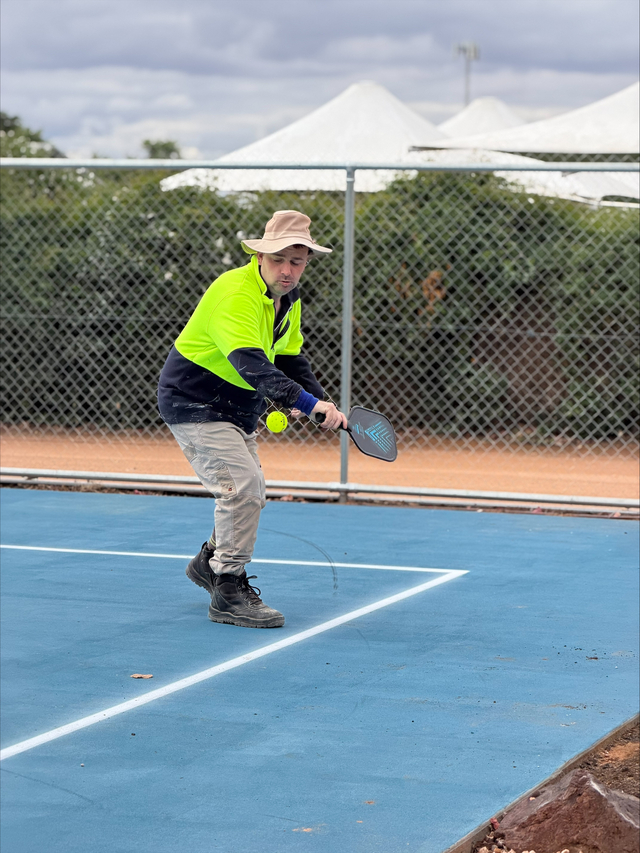
Movement breaks up long hours spent sitting. A walk, a bike ride, or time spent outdoors brings the body back into focus. Getting outside resets attention, lifts energy, and gives the brain space to slow down.
Group activities go further. Joining a climbing session or even taking a class with others gives structure to the week and builds connection. The social side is often what keeps people showing up. Regular interaction strengthens support systems, which matters when life becomes difficult to manage alone.
Creative Work and the Value of Focused Time
Creative hobbies shift the mind in ways that most routines don’t. They hold attention without pressure.
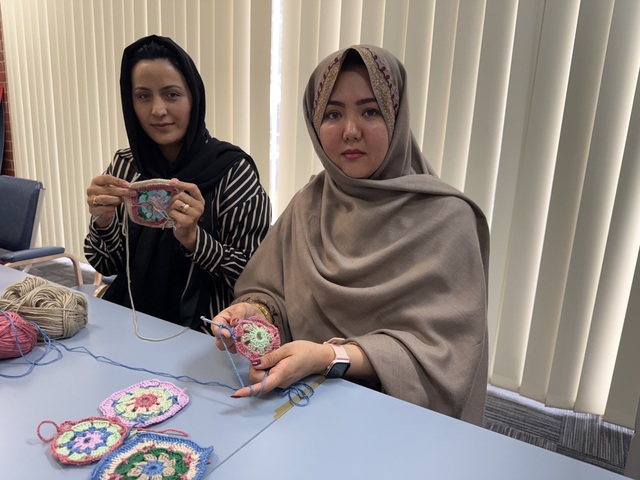
Writing, sketching, woodworking, whatever form it takes, gives the brain something to build, without deadlines or outside input. These sessions become their own space, separate from the rest of the day.
Learning something new in this area changes how people see their own ability to improve. Progress is slow, but visible. You see it in the results, but also in the process: what becomes easier, what you understand differently. That kind of slow growth feeds into confidence in other areas.
Music builds on this by involving more of the body and brain at once. Playing or singing forces presence. There’s no multitasking, no way to fake focus. And in group settings, it becomes shared work. You’re part of something that only works when everyone contributes.
How Hobbies Protect Energy and Improve Work
Work takes more out of people when there’s nothing to balance it. Hobbies don’t waste time; they protect it. They make recovery easier. Focus lasts longer when it’s given space to step away and reset.
People who spend time on things outside of work tend to return to tasks with more clarity. Their thinking sharpens. The gap between roles (worker, parent, friend) becomes easier to manage when there’s something in place that belongs to them alone.