Blocked drains have always been a common household issue, but in recent years many plumbers have reported a noticeable rise in how often they occur. What was once an occasional inconvenience is becoming a recurring problem for many homes. So, what’s driving this trend?
Here are the key factors contributing to the increase in blocked drains — and what homeowners can do to reduce the risk.
Modern households are using more water appliances than ever
Dishwashers, multiple bathrooms, larger washing machines and high-pressure shower heads all place extra strain on a home’s plumbing. While modern appliances are efficient, the increased volume of water moving through older pipes can accelerate blockages, especially if the plumbing wasn’t designed for today’s demand.
Wet wipes and “flushable” products are creating major blockages
One of the biggest contributors to modern drain issues is the rise of products labelled as flushable.
Many wipes, cleaning cloths and hygiene products don’t break down like toilet paper. Instead, they tangle, snag and form dense clumps that obstruct pipes and sewer lines. Even small amounts can accumulate over time.
Tree roots are breaking into ageing pipes
As pipes age, tiny cracks form — often too small to notice from the surface. Tree roots are naturally drawn to moisture, and they infiltrate these cracks to reach the water inside. Over time, they grow thick and woody, creating major obstructions and even collapsing sections of pipe.
Household oils and food scraps are causing build-up faster than before
Cooking oils, grease and fats harden inside pipes as they cool. With more households cooking at home and using air fryers, deep fryers and high-oil recipes, the amount of grease entering drains has increased.
Even small quantities can eventually form thick deposits that trap food waste, coffee grounds and other debris.
Stormwater systems are overloaded during heavy rain
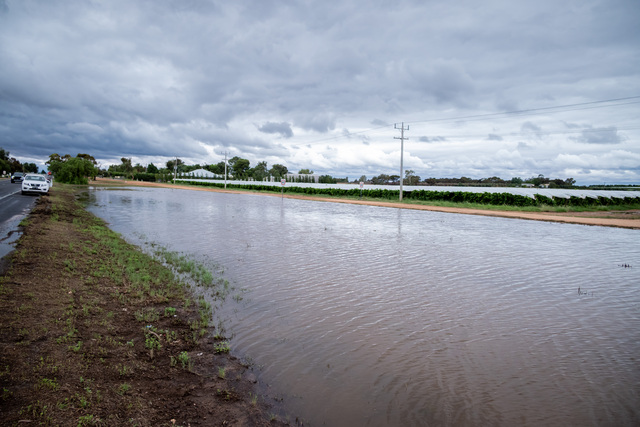
More intense weather events — with heavier, faster rainfall — are also contributing to drainage problems. Stormwater systems can become overwhelmed, pushing debris into pipes or causing backflow that leads to blockages.
Homes with older or poorly maintained gutters and downpipes feel this impact most strongly.
Housing density is increasing the load on shared infrastructure
Subdivisions, townhouses and multi-unit developments place more demand on shared drains and sewer connections. When more people are using the same lines, blockages form faster and become more difficult to clear without professional equipment.
When to act — and who to call
Blocked drains start small, but they rarely stay that way. Slow drainage, gurgling noises, recurring clogs or unpleasant smells are early warning signs that shouldn’t be ignored.
A licensed plumber can diagnose and resolve the cause before it becomes a major plumbing emergency.
If you’re noticing repeated blockages, speaking with an experienced team like Zebra Plumbing can help identify the underlying issue and prevent it from returning.