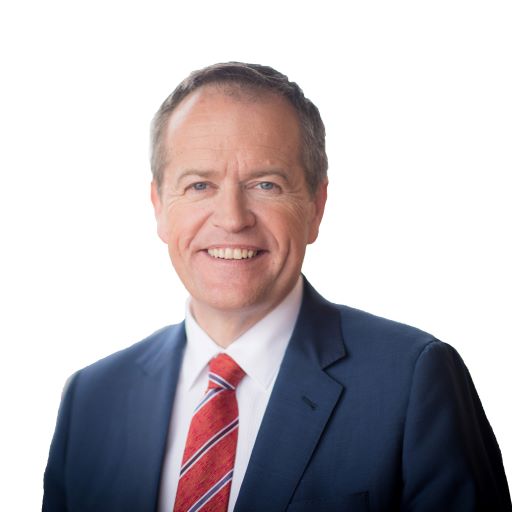
OPINION: Bill Shorten, Minister for the NDIS and Government Services
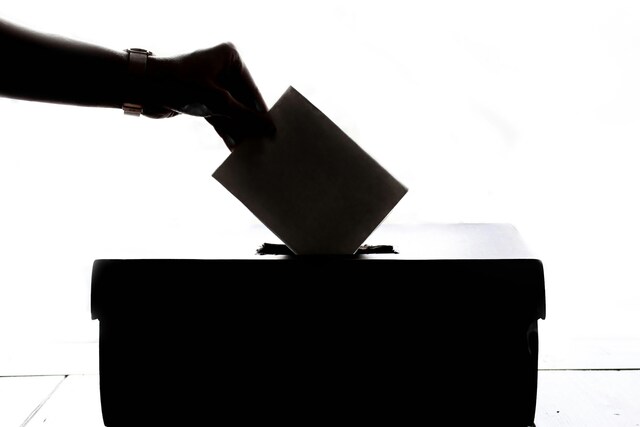
SO if the polls are to be believed many of you reading this are still yet to make up your mind about how you will vote on the Voice when the question is posed at a national referendum later this year.
I reckon you should vote yes.
I would love it if you would consider changing your vote to yes.
But I’m not here to heckle you. I’m not here to try to intellectually browbeat you.
What I do want to do is detail how I see the Voice, unpack some of the arguments for and against the Voice and politely – in the best of Australian traditions, without accusing people with a different view of treachery – explain why I hold my particular view.
If we can have that level of mature debate in this country while all respecting each other in the morning – great.
If we can keep open minds and learn something from each other – even better.
If I can skewer a few Voice furphies along the way – happy days.
First of all, what is the Voice? I don’t make the assumption that every Australian has yet got their head around what this thing is.
How would it work? The Voice is about advice. Basically, when people like me in the Australian Parliament and Government are going to pass laws that affect the lives of Aboriginal and Torres Strait Islander peoples, we would take advice from an independent body called the Voice (that would be created if the yes vote wins) that would be made up of Indigenous people from local communities.
That’s it in a nutshell. And the interesting thing about this is that it is not a particularly radical proposal.
The Prime Minister is absolutely right when he says this is quite a conservative proposal. There have certainly been bigger and more far reaching changes in this nation’s history.
Several different colonies pulling together to become one country was a pretty big one, and the sky didn’t fall in then.
When it comes to the Voice the principle is sound beyond the basic fairness argument of it’s the right thing to do.
It’s actually the most effective thing to do. It will ensure every dollar spent goes to outcomes, and it is simply the best way to run this thing.
We wouldn’t run disability policy without talking to Australians with disability.
We wouldn’t run farming policy without picking the brains of people on the land.
But for decades women and men who look like me have made laws that impact Indigenous Australians. Often this has been done with the best of intentions.
But we have failed to harness that local knowledge, those common sense solutions.
And the scoreboard is clear. I’m sorry to say the results for the Indigenous have not been great.
When it comes to health, longevity and poverty we are failing to close the gap between Indigenous and non-Indigenous Australians.
You might think it’s odd a federal MP – a fella who spends half his life travelling to and working in Canberra – saying sometimes things are better when Canberra pollies don’t get in the way.
Sometimes things are better when we don’t think we have a monopoly on good ideas when it comes to Indigenous matters.
So, in the lead up to the big vote on the Voice when the no campaign try to tell you this is the “politicians’ Voice” or the “Canberra Voice”, be wary and remember this didn’t come from Canberra or Parliament, this came from Indigenous Australians in the regions.
That, in short, is what the Voice is. Parliament remains the decision-maker, but we will get better outcomes by listening.
Here’s what it isn’t. It isn’t a massive radical change that will cause the sky to fall.
And it isn’t some lefty utopian plan that will drag policymaking further Left or result in Indigenous Australians having more rights than other Aussies.
One of the endearing characteristics of the Voice is that it will elevate the common sense that can be found in local communities.
There are a lot of very good untapped ideas out there and they are just as likely to be right of centre or conservative than left of centre or progressive. They will simply be more-likely-to-be-effective solutions to particular challenges.
Indigenous leaders have noted that the Voice will help address problems with alcohol, get children into school, improve people’s health and empower communities so people can get good jobs and provide for their kids.
Historically well-meaning but ill-informed policymaking has hurt the social conditions of the original Australians, and we need to do something different.
Indigenous leaders I know, people like Linda Burney and Pat Dodson who personify strength and grace, do not seek to varnish the realities of troubles in outback communities.
They don’t want unequal rights; they just want good solutions and a fair go.
This is not something any Australian should be scared of or concerned about.
It’s an opportunity to do things differently, to do things better, and it is something one day we may all be proud of.