Wash bays are essential for industries that require frequent vehicle and equipment cleaning, such as mining, construction, automotive and transport. Planning to run a successful car wash business? A high-quality wash bay will be a critical part of your setup.
While a wash bay may seem simple at first glance, proper installation and operation are essential for responsible water management and regulatory compliance.
Central to a well-designed wash bay, a comprehensive water recycling system is essential. Used to minimise water waste, reduce costs and prevent harmful pollutants from entering drainage systems, several components work together to ensure proper management of all wastewater.
Key Components Of Wash Bay Water Recycling Systems
To ensure efficient water management, wash bay recycling systems incorporate several key components that work together to treat, filter and reuse water. While the specifics of your water recycling system may differ based on your needs, these generally include:
-
Collection and Pre-Treatment Systems
Water used in the wash bay first passes through collection pits and sumps, where heavy solids and sludge settle. This pre-treatment phase prevents large debris from clogging downstream treatment systems.
-
Oil and Hydrocarbon Separators
Oils, grease, and hydrocarbons are common contaminants in wash bays, especially in industries dealing with heavy machinery and vehicles. As such, an oil and water separator is an essential inclusion in any wash bay water recycling system.
Advanced systems for more complex removal of emulsified or dissolved oils incorporate innovative coalescing plate separator technology. This uses gravity and specialised media to effectively remove these contaminants from wastewater.
-
Filtration Systems
Filtration is vital for removing finer particles and organic matter from wash water. A quality wash bay should use multi-stage filtration, including sand filters, activated carbon filters and membrane filtration, to achieve optimal recycled water quality.
-
Chemical Dosing Systems
While not always a universal requirement, chemical dosing is often necessary in water recycling systems for wash bays to meet specific discharge standards and ensure water quality for reuse.
Chemical dosing systems can help to regulate pH levels, break down emulsified oils, control odours and prevent bacterial growth. They do this by automatically introducing precise amounts of treatment chemicals into the water, ensuring compliance with environmental discharge standards and enhancing filtration efficiency.
How Chemical Dosing Works in Wash Bays:
-
Dosing pumps inject chemicals into the wash water stream.
-
Sensors monitor water quality and adjust chemical levels as needed.
-
The treated water continues through filtration and is either reused or safely discharged.
-
Water Storage and Reuse Systems
Once treated, water can be safely discharged or stored in holding tanks for reuse within the wash bay. Efficient storage systems ensure a continuous supply of recycled water, reducing reliance on mains water and lowering operating costs.
-
Automated Controls and Monitoring
Modern wash bay water recycling systems use automation and remote monitoring to track water quality, chemical levels and filtration performance. These systems aid in improving operational efficiency while also helping to ensure compliance with local regulations is upheld.

(Image: Wash bay features. Credit: Yevhen Smyk/iStock)
Benefits of Investing In A Wash Bay Water Recycling System
As treatment of wastewater for disposal is already required for regulatory compliance throughout Australia, adding a recycling system to wash bays to allow for the reuse of this water instead simply makes sense.
Wash bay water recycling systems offer significant advantages for businesses that rely on regular vehicle and equipment cleaning or offer these services such as:
-
Significant Water Savings: Reduces mains water usage and wastewater disposal costs.
-
Improved Environmental Compliance: Meets strict discharge regulations with advanced treatment processes.
-
Automated and Low Maintenance: Smart monitoring reduces manual intervention.
-
Customised Solutions: Tailored to suit various industries and operational needs.

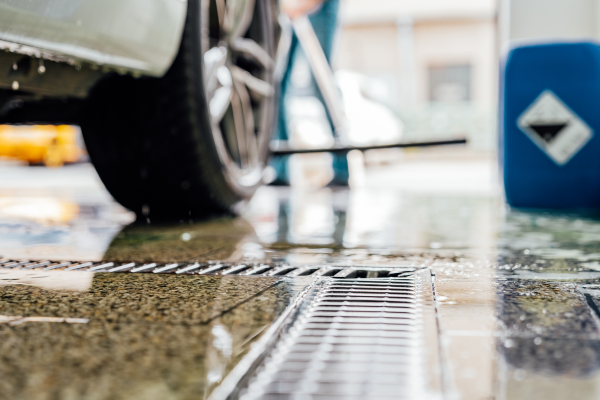
(Image: Water compliance and recycling for wash bays. Credit: vitpho/iStock)
Ensure Your Wash Bay Water Recycling Meets Industry Standards
Investing in an industry-leading wash bay solution that integrates advanced water recycling technologies, including chemical dosing, oil separation and filtration is a wise move. Designed for efficiency, compliance and sustainability, this can help your business reduce water consumption and environmental impact while also streamlining operations. It’s a smart investment that delivers operational savings, ensures compliance, and supports your business’s sustainability goals.