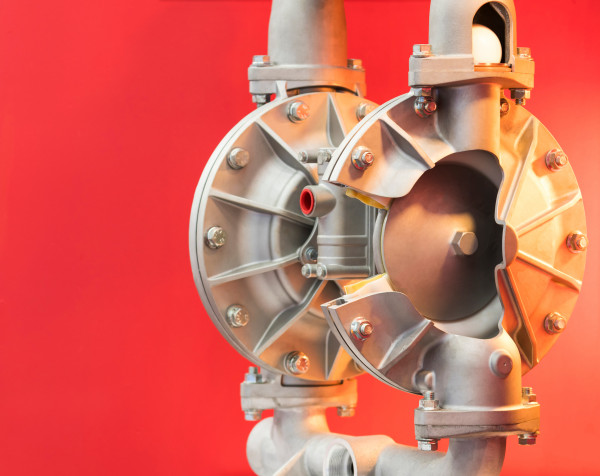
If you’ve ever wondered how diaphragm pumps work, you’re not alone. These versatile machines are used across industries, from agriculture to food processing. They’re efficient, reliable, and easy to use once you understand their mechanics.
In this guide, you’ll learn about how diaphragm pumps operate, step by step, in a way that’s easy to grasp. Read on.
What Is A Diaphragm Pump
What is a diaphragm pump – you may ask.
A diaphragm pump, also known as a membrane pump, is a positive displacement pump. It uses a flexible diaphragm and check valves to move fluids. These pumps are designed to handle everything from water and chemicals to viscous slurries. You can check out top-of-the-line diaphragm pumps for your needs from companies like that from knf.com/en/global and others.
How Does A Diaphragm Pump Work
At its core, a diaphragm pump operates by creating a pressure difference. This pressure pulls fluid into the pump and pushes it out in a continuous cycle. It’s all about creating suction and discharge forces.
The following is how a diaphragm pump works:
The Diaphragm Moves:
A diaphragm pump typically has two diaphragms made of rubber, Teflon, or other flexible materials. These diaphragms are connected via a shaft. When the shaft moves back and forth, the diaphragms flex.
Suction Phase:
When one diaphragm moves outward, it creates a vacuum inside the pump chamber. This vacuum draws fluid into the pump through an inlet valve.
Discharge Phase:
As the diaphragm moves inward, it compresses the fluid in the chamber. This pressure forces the fluid out through a discharge valve.
Repeat the Cycle:
The other diaphragm operates in sync, ensuring a continuous flow of fluid.
What Are The Different Types Of Diaphragm Pumps
Not all diaphragm pumps are the same. They come in different types, each suited for specific tasks. The main categories of diaphragm pumps include air-operated diaphragm pumps, mechanical diaphragm pumps, and electric diaphragm pumps.
Air-operated diaphragm pumps use compressed air to move the diaphragms back and forth. They’re ideal for explosive environments because they don’t use electricity. Finally, they’re excellent for handling abrasive, corrosive, or viscous fluids.
On the other hand, mechanical pumps rely on a motor-driven crankshaft to move the diaphragms. They’re more energy-efficient and suitable for steady, high-pressure applications. These pumps are commonly found in water treatment and irrigation systems.
Finally, electric diaphragm pumps are powered by an electric motor. They’re compact, easy to install, and perfect for low-pressure applications.
What Are The Key Parts Of A Diaphragm Pump
Understanding the main parts of a diaphragm pump helps you see how everything fits together. They include the following:
- The diaphragm is a flexible member that’s considered the beating heart of the unit. It creates the suction and compression forces that move the fluid.
- Check valves to ensure the fluid flows in the right direction. Inlet valves let fluid into the pump, while outlet valves push it out.
- The pump body houses the diaphragms and chambers. It’s designed to withstand the fluids being pumped, whether they’re corrosive or abrasive.
- Depending on the type, the drive mechanism could be air, a crankshaft, or an electric motor. This part powers the diaphragm’s movement.
What Are The Advantages Of Using A Diaphragm Pump
So, why choose a diaphragm pump over other types? Top reasons include its versatility, self-priming feature, durability, and so on.
For starters, diaphragm pumps can handle a wide range of fluids, from water to chemicals and even sludge – they’re very versatile. Next, they can start pumping without needing to be filled with fluid first. Aside from that, many diaphragm pumps can run dry without damage.
Finally, diaphragm pumps are durable and require little to no maintenance. These pumps are built to last, even in harsh environments. And because they come with fewer moving parts, they’re easier to maintain than other pumps – talk about the wonders of technology.
What Are The Common Uses For Diaphragm Pumps
Diaphragm pumps are found in countless applications. Here are a few examples:
- In chemical processing, diaphragm pumps are used to safely handle acids, bases, and other corrosive substances.
- A diaphragm pump is used for transferring syrups, sauces, and other viscous materials.
- In the agricultural sector, diaphragm pumps can be used to spray pesticides, fertilizers, and water.
- Diaphragm pumps are utilized to pump crude oil, slurries, and wastewater.
- Finally, moving chemicals for water filtration and purification systems is possible due to the power of diaphragm pumps.
Tips For Creating A Diaphragm Pump
Getting the most out of your diaphragm pump involves proper use and maintenance. Here are some tips to keep in mind:
- Match the pump material to the fluid you’re handling. For example, use corrosion-resistant materials for acids.
- If you’re using an air-operated pump, ensure the air pressure is within the recommended range.
- Look for wear and tear on the diaphragms and valves.
- Don’t exceed the pump’s pressure and flow rate limits.
- Follow maintenance guidelines; clean and service your pump according to the manufacturer’s instructions.
Final Words
Now you know how a diaphragm pump operates and why it’s such a valuable tool. With their ability to handle diverse fluids and operate in tough environments, these pumps are a must-have for many industries. Remember to choose the right type for your application, follow maintenance guidelines, and so on. By doing so, you’ll get the most out of your diaphragm pump for years to