ANALYSIS – Michael DiFabrizio
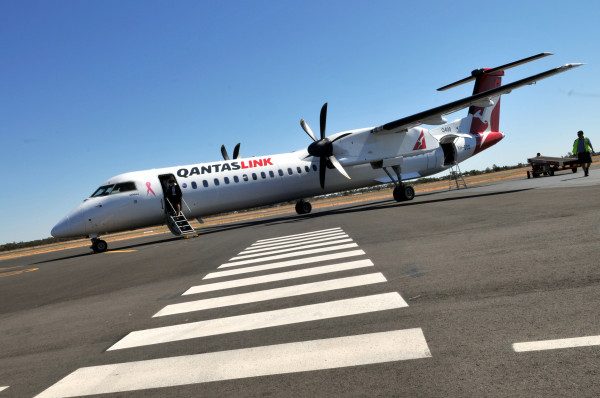
MORE expensive flights, less reliable service and substantially more cancellations.
These were Alan Joyce’s gifts to Mildura during his time as Qantas chief executive.
Mr Joyce departed this week after a 15-year tenure amid plenty of recent controversy.
But even before that, and even before COVID, Mildura passengers had been copping increasingly poorer outcomes since Mr Joyce took on the job in November 2008.
Thankfully, the imaginatively named Bureau of Infrastructure and Transport Research Economics has been keeping score.
Let’s start with fares.

Once a month, the bureau tracks the cheapest return flights available between Melbourne and Mildura.
This includes all airlines, not just Qantas, but as the most significant player on the route, the Flying Kangaroo has a fair bit of influence on pricing.
Starting in 2010, the first year of this data, prices went from an average of $257 all the way up to $300 in 2018, then up to a post-pandemic $340 last year.
The kicker? These numbers are adjusted for inflation, so that’s a 32 per cent increase on top of CPI.
Next comes reliability, where we have data specific to Qantas.

For a while, the rate of Qantas services departing on time between Mildura and Melbourne – in either direction – seemed to be on the up.
It climbed from 83 per cent in 2009 to as high as 88 per cent in 2015 and 2017.
But it dropped to 81 per cent a year before the pandemic and has gotten far worse since.
Last year, incredibly, just 55 per cent of Qantas flights on the route departed on time.
This year, it was only up to 70 per cent by the end of July, the most recent month figures were available.
Another woeful metric: cancellations.

In 2009, just four Qantas flights between Melbourne and Mildura were cancelled for the whole year, according to the bureau’s figures.
That was 0.3 per cent of services that year.
Fast forward to the pre-pandemic days of 2019, and cancellations had risen all the way to 58.
That was 2.6 per cent of services – in other words, your Mildura Qantas flight was eight times more likely to be cancelled than a decade earlier.
It got even worse last year, when Qantas in its own words “struggled to restart post-COVID”. That meant 76 cancellations.
This year, there had already been 39 cancellations up to July.
Tie all this in with Qantas being stingy with refunds after receiving a mountain of taxpayer help during COVID, and while posting a monster profit.
Then tie it in with the corporate regulator’s legal action against the airline for allegedly advertising tickets for flights that had already been cancelled.
Qantas was reviewing the allegations and acknowledged its reputation had been “hit hard on several fronts”, something it was “determined” to repair.
Some repair job Mr Joyce has left behind.
Which brings us to the Federal Government’s cosy relationship with Qantas.
Prime Minister Anthony Albanese has been happy to be photographed alongside Mr Joyce.
The Coalition are rightly asking questions of Mr Albanese and Transport Minister Catherine King over a decision to reject an application by Qantas competitor Qatar Airways for more flights into Australia.
Ms King said the decision was made in national interests, not a particular company’s commercial interests.
There may be more to that, but from afar it seems an anti-competitive decision in the midst of a cost-of-living and inflation crisis, which doesn’t gel with such an explanation.
Is there national interest to having a strong national carrier? Sure, but not if it results in toxic outcomes.
If Qantas can’t meet basic service expectations, and if it is making it more expensive – way beyond inflation – for people in isolated communities like Mildura to be connected, it is not worthy of government handouts and protection.
* Graphs information source: Bureau of Infrastructure and Transport Research Economics