THE Mallee has been included in a regional network of hydrogen technology bases as part of a drive to establish a nationwide hydrogen cluster.
Spearheaded by National Energy Resources Australia (NERA), the national cluster will aim to establish a global identity and a recognised brand for Australian hydrogen technology and expertise.
It will also aim to aid the development of the hydrogen supply chain, reduce overlaps and identify gaps in the development, deployment, and commercialisation of new hydrogen focused technologies.
The establishment of the regional hydrogen technology clusters — which cover all of Australia’s states and territories — follows the conclusion of a seed funding selection program started by NERA in September.
NERA has also been able to leverage a range of funding commitments from state and territory governments around the country, as well as industry financial support.
The Mallee Hydrogen Technology Cluster, led by the Mallee Regional Innovation Centre (MRIC), has been awarded $50,000 from the Victorian Government as part of the project.
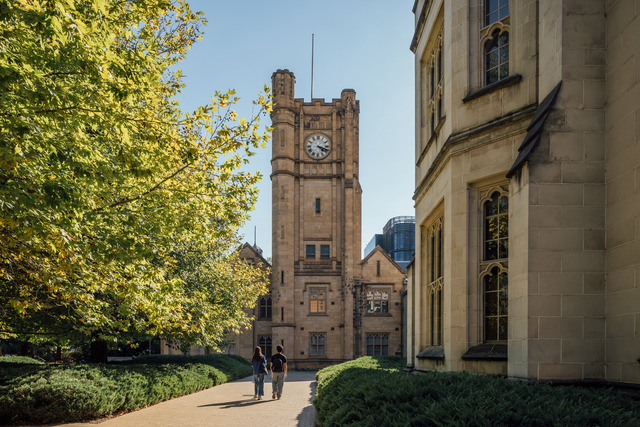
MRIC is a joint venture from the University of Melbourne, La Trobe University and SuniTAFE with four focal areas — horticulture, water, energy and the environment in irrigated production and natural resource management along the Murray River from Swan Hill, through to Mildura and the South Australian border.
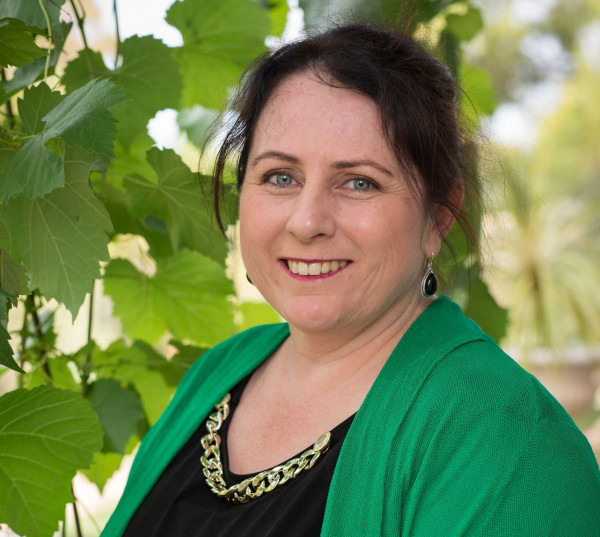
MRIC chief executive Rebecca Wells said the announcement was a “fantastic step forward” for the future of hydrogen in Australia.
“We are well positioned to establish a cohesive, valuable cluster and drive hydrogen supply chain development for regional Victoria,” Ms Wells said.
“We’re excited to see new research and technology development in the hydrogen space and look forward to collaborating with fellow cluster leads around Australia,” she said.
“With strong support from NERA, the Victorian Government, multiple Victorian SME (Small and Medium Enterprises) energy innovators and key regional and industry stakeholders, we are now well positioned to establish a cohesive, valuable cluster and drive hydrogen supply chain development for regional Victoria,” she said.
SuniTAFE CEO Geoff Dea said the hydrogen cluster represented an ideal opportunity to leverage SuniTAFE’s involvement with MRIC for the benefit of students and industry.
“From our close work with the transport and logistics sector, we know they are keenly monitoring developments in hydrogen energy,” Mr Dea said.
“It’s an exciting time for the current crop of school goers too, as we work with MRIC to create challenging, rewarding and sustainable options for their future.”
NERA CEO Miranda Taylor said the move was a crucial step in building the skills, capacities and commercialisation opportunities necessary to unlock Australia’s potential to create a globally competitive hydrogen industry.
Ms Taylor said that, according to a 2019 Deloitte report, the industry could increase Australia’s GDP by up to $26 billion.