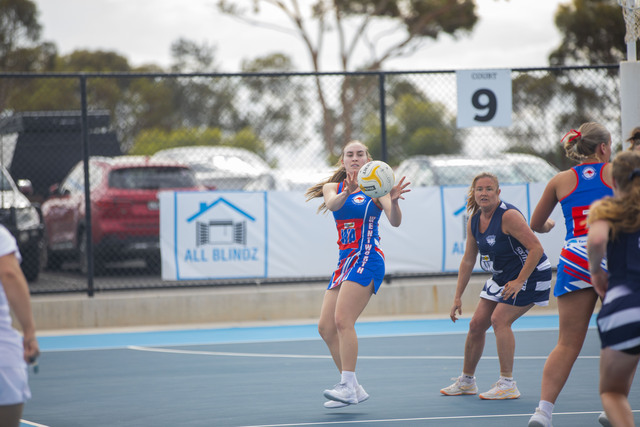
MY column was going to be about the SFNL Grand Final. Few things could surpass that in local importance, except maybe the Queen.
My first interview about Queen Elizabeth’s passing was rambled. And that’s because my feelings towards the Monarchy aren’t simple and I’ve rarely had to put those thoughts into words, let alone on radio before my first coffee.
Not everyone is wired to believe in hereditary succession or to celebrate extreme privilege.
Many other people, particularly of my generation, have a similar view.
But what unites us – almost universally – is our appreciation for the sheer tenacity of the woman, Elizabeth Alexandra Mary Windsor.
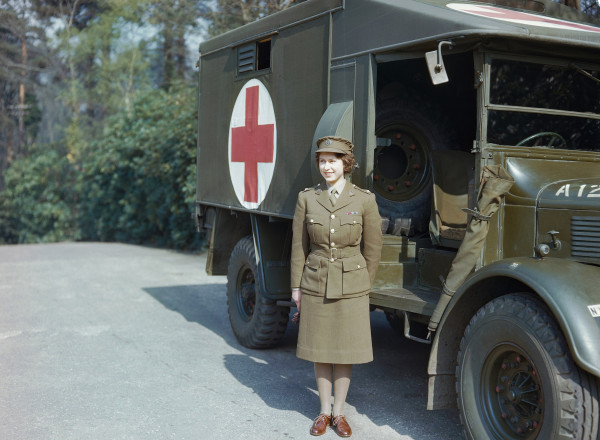
Setting aside the royal titles, Elizabeth was a 25-year-old kid when she became the face of a nation and “empire”.
From that point onwards, she was required to fulfil a certain role, as a symbol of stability and certainty for millions of people.
From 1952 to the present day, Britain had 15 Prime Ministers, but only one monarch.
That puts her service into perspective.
For better or worse, the all-consuming role defined her entire life.
As a symbol, she was extraordinary, exceptional, superior and iconic.
But as a woman, to the extent we could tell, she was the same as everyone else – only with a bit more help, as my Nan would say.
She loved her husband, her grandchildren and great-grandchildren. She loved horses and dogs.
She was hard-working. But that didn’t separate her from most other women of her era. Instead, it was the connecting thread.
The tradition she represents is not universally supported, but there is no doubting she acquitted herself well.
She did what the tradition expected of her, but also showed a capacity to evolve.
In her later decades, she let us see more of the warmth and humour that was her true nature.
The Queen’s passing marks the end of an era. The world has lost a symbol and a family has lost a matriarch.
May she rest in peace.