LABOR is undermining superannuation by removing a tax break for people with superannuation balances over $3 million, according to Member for Mallee Anne Webster.
Federal Treasurer Jim Chalmers announced on Tuesday the tax rate on earnings from super would double to 30 per cent for such balances from July 2026.
“This is expected to apply to around 80,000 people, and they will continue to benefit from more generous tax breaks on earnings from the $3 million below the threshold,” Dr Chalmers said in a statement.
“This adjustment does not impose a limit on the size of superannuation account balances in the accumulation phase. And it applies to future earnings – it is not retrospective.”
There was fierce debate about super after Dr Chalmers asked whether it was sustainable to keep giving major tax concessions to a small number of very wealthy people with large balances.
According to Treasury figures, more than 11,000 Australians had a super balance higher than $5 million; 32 had more than $100 million each in self-managed super funds.
The average super balance was $150,000.
The Opposition repeatedly described the move as a grab for cash to fund government spending and renewed its vow to fight any changes, although several crossbenchers indicated they’ll support it.
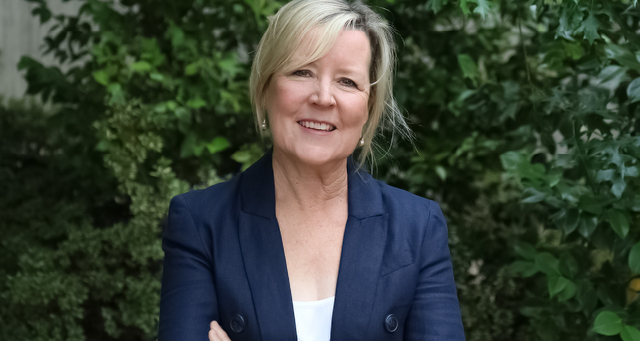
Dr Webster said Labor had broken a pre-election promise not to change super rules, even though the changes won’t take effect until after the next federal election.
“This whole saga also undermines the superannuation system, even for those unaffected by the changes right now it creates uncertainty, as they wonder what will come next from this government,” she said.
“It is the same old Labor – they believe they can spend your money better than you can.”
But a retiree group within Dr Webster’s electorate did not expect many people to be affected by the change.
Swan Hill Association of Independent Retirees secretary Lindsay McRae said a $3 million cap would affect less than one per cent of superannuants.
“It’s not a huge proportion and there wouldn’t be too many amongst our members in that category, perhaps one or two in Swan Hill,” he said.
“You have to ask yourself, what’s the purpose of superannuation? Is it to fund a person’s retirement or is there another agenda beyond retirement, as a tax shelter or to pass it on to dependents?”